How to Get a Clogged Drain Fixed in Peruíbe SP: A Step-by-Step Guide
It’s a Saturday morning, the sun is already hot, and your kitchen sink is full of murky water that won’t go down. Or worse, the toilet is backing up and you can smell sewage in the hallway. If you live in Peruíbe SP, you know that plumbing emergencies never wait for a convenient moment. The good news is that getting professional help is straightforward if you follow the right sequence. This guide walks you through exactly what to do, from the first sign of trouble to a fully working drain, so you can stop worrying and get your home back to normal.
The first thing to understand is that not every slow drain is a crisis, but in Peruíbe’s older neighborhoods and beach houses, clogs can quickly turn into bigger problems. Calling a desentupidora em Peruíbe SP early is usually cheaper and less stressful than waiting until water is pooling on the floor. Below, we’ll cover what you need to have ready, the exact steps to take, and how to check that the job was done right.
Before You Call: What You Need to Know and Prepare
Before you pick up the phone, a little preparation goes a long way. You don’t need to be a plumber, but having some basic information ready will help the technician diagnose the problem faster and give you a more accurate estimate. Think of it as setting the stage for a smooth, efficient service call.
Identify the symptoms and where they are coming from
Not all clogs are the same. A single slow sink is very different from multiple drains backing up at once. If more than one drain in your home is slow or gurgling, the blockage is likely in the main sewer line, which is a more serious issue. Write down which fixtures are affected, whether there’s a bad smell, and if you’ve noticed any water pooling outside. This information helps the technician bring the right equipment, whether it’s a simple drain snake or a high-pressure hydrojetting truck.
Also, check if you have a septic tank or if you’re connected to the municipal sewer system. In Peruíbe, many properties, especially in beach areas, use septic tanks. This detail changes the approach completely, as a desentupidora Peruíbe will need to know whether they’re dealing with a clogged pipe or a full tank that needs pumping.
Clear access and gather basic information
Make sure the technician can easily reach the affected area. Clear out cabinets under the sink, move any furniture blocking floor drains, and if you have a cleanout access point, locate it. Having your address, the type of property (house, apartment, commercial), and a brief description of the problem ready will speed up the scheduling process. If you’re a tenant, check with your landlord about who is responsible for the repair cost before authorizing any work.
It’s also helpful to note the time the problem started and whether you’ve tried any DIY fixes like chemical drain cleaners. Be honest about this, because some chemicals can damage pipes and affect the technician’s safety and method. A quick call to a professional service like Desentupidora Suprema, which operates 24 hours, can confirm availability and give you a ballpark price range before they arrive.
The Step-by-Step Procedure: From First Call to Working Drain
Now that you’re prepared, here’s the actual sequence of events. This is what a professional, reliable service should look like from start to finish. Knowing the steps helps you ask the right questions and ensures you’re not left in the dark.
Step 1: Make the call and describe the problem
When you call a desentupidora Peruíbe SP, be as specific as possible. Tell them what’s backing up, for how long, and any other details you gathered. The dispatcher will ask questions to determine the likely cause and the equipment needed. This is also the time to ask about call-out fees, hourly rates, and whether they offer emergency service at night or on weekends. A reputable company will be transparent about pricing upfront.
Schedule a time that works for you, and confirm whether the technician will need access to the roof (for vent issues) or the backyard (for septic tank access). If you’re in a condominium, let the building manager know so there are no surprises at the gate.
Step 2: The technician’s arrival and inspection
When the technician arrives, they should introduce themselves, show identification, and listen to your description of the problem. Then they’ll perform an inspection. This might involve running water, using a flashlight to check for leaks, or using a camera to look inside the pipes. A thorough inspection is critical because it prevents guesswork and ensures the right fix is applied. Don’t hesitate to ask what they’re looking for and what they find.
Based on the inspection, the technician will explain the cause of the clog and recommend a solution. Common methods include using a manual auger or drain snake for simple blockages, hydrojetting for grease or scale buildup, or pumping the septic tank if that’s the issue. They should also give you a final price estimate before starting work. If the price seems much higher than the initial quote, ask why and get a clear breakdown.
Step 3: The unclogging process
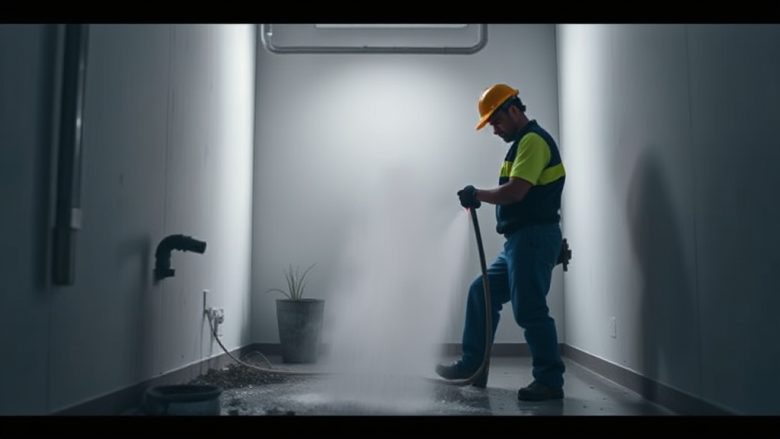
Once you approve the estimate, the work begins. For a simple sink clog, the technician might remove the P-trap and clear the debris manually. For tougher blockages, they may feed a motorized drain snake through the cleanout. If the problem is in the main line or involves heavy grease, they’ll likely use a hydrojetting machine, which blasts water at high pressure to scour the pipe walls clean. This is especially effective in older homes in Peruíbe where pipes may have years of buildup.
During the process, the technician should protect your floors and surfaces. They’ll also check for any secondary issues, like a broken pipe or a collapsed section, that could be causing recurring clogs. If they find something major, they should show you the evidence (like a camera image) and discuss options before proceeding.
Step 4: Testing and cleanup
After the clog is cleared, the technician will run water through the system to test the flow. They’ll check all affected fixtures and make sure there are no leaks at the connections they touched. A proper test includes running hot water and flushing toilets to ensure the blockage is fully gone and the system drains smoothly. They should also clean up any mess they made, leaving your home as tidy as they found it.
Before they leave, ask them to show you what they removed from the drain if possible, and get a brief verbal report of what caused the clog. This information helps you prevent future problems.
Step 5: Payment and follow-up
Once you’re satisfied with the work, settle the bill. Make sure you receive an invoice or receipt that details the service performed, the date, and the cost. Keep this for your records, especially if you’re a tenant or need to claim it as a maintenance expense. Some companies offer a warranty on their work, so ask about that before they leave. If the problem recurs within a short period, a warranty can save you money on a second visit.
What to Check After the Service Is Done
You’ve paid the bill and the technician has left, but your job isn’t quite over. A few quick checks will confirm that the problem is truly solved and that nothing was overlooked. This is especially important if the clog was in the main line, as a partial fix can lead to bigger issues later.
Verify the flow and check for leaks
Run water in every fixture that was affected. Fill the sink and let it drain, flush the toilets, and run the shower for a minute. Watch for slow drainage, gurgling sounds, or water backing up elsewhere. Also, inspect the area around the cleanout and any connections the technician worked on for signs of moisture or dripping. Even a small leak can cause mold and water damage if left unchecked. If you notice anything unusual, call the company back immediately while the service is still fresh.
Look for signs of a recurring problem
Sometimes, a clog is a symptom of a larger issue, like tree roots invading the pipe or a sagging sewer line. If the same drain clogs again within a few weeks, or if you notice a persistent bad smell, it’s worth having a camera inspection done. This can identify structural problems that simple unclogging won’t fix. Ignoring recurring clogs can lead to pipe damage and costly repairs down the line. A proactive approach now can save you a lot of money and hassle later.
Finally, think about prevention. Now that you know what caused the clog, you can adjust your habits. Avoid pouring grease down the sink, use drain screens to catch hair and food particles, and be mindful of what you flush. For septic tank users, schedule regular pumping every few years. A little maintenance goes a long way in keeping your plumbing healthy and avoiding emergency calls.
Getting a clogged drain fixed in Peruíbe SP doesn’t have to be a nightmare. By following these steps, you’ll know exactly what to expect and how to ensure the job is done right the first time.